
Reliability Identified as a Critical Foundation of the AI Era and a Key Driver for Thailand’s Role as an ASEAN AI Hardware Manufacturing Hub
The Thailand Printed Circuit Association (THPCA) recently hosted an international technical conference titled “Advanced Reliability Testing (HALT/HASS)”, bringing together global experts to exchange knowledge on reliability engineering for electronic systems. The conference highlighted the growing importance of reliability testing in modern technology industries, ranging from AI data centers and electric vehicles to smart manufacturing systems.
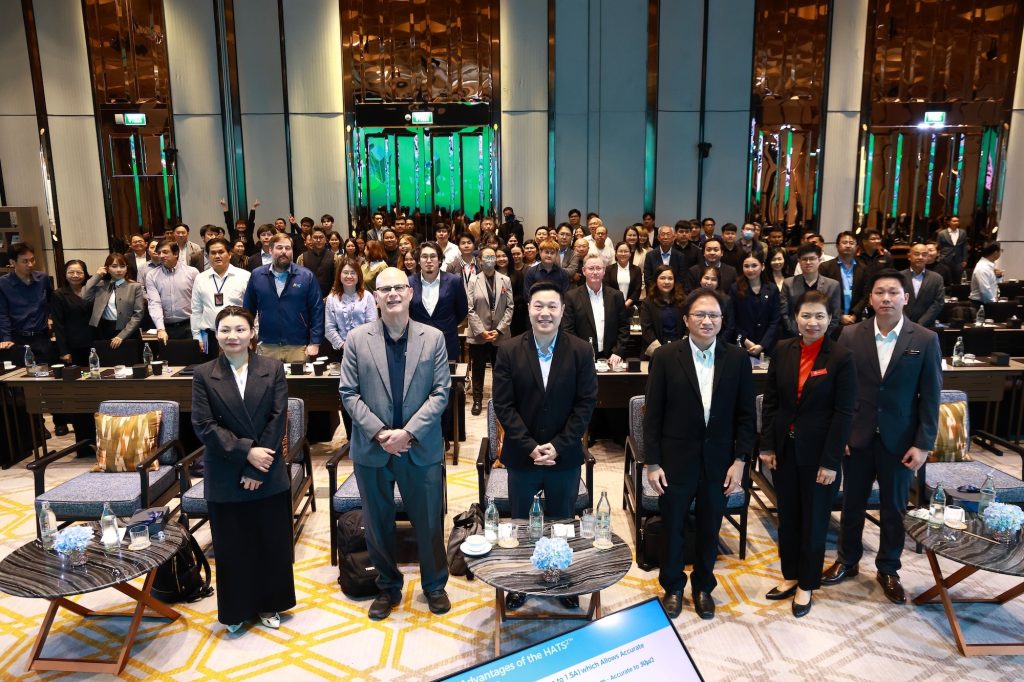
The event gathered engineers, researchers, and industry leaders from leading global organizations to discuss reliability testing standards and emerging technological trends shaping the future of the electronics industry. Topics covered included global reliability testing methodologies, engineering simulation for failure prediction, HALT/HASS testing in real manufacturing environments, and approaches to linking laboratory testing with real-world industrial applications.
The conference also reflects Thailand’s growing role in the global electronics supply chain, driven by the rapid expansion of Artificial Intelligence (AI), cloud infrastructure, and electric vehicle (EV) technologies. Thailand is increasingly recognized as one of the region’s key manufacturing bases for Printed Circuit Boards (PCB), which serve as the core infrastructure of modern AI hardware systems.
Mr. Swaek Prakitritanon, Vice President and Secretary of the Thailand Printed Circuit Association and President of Auromex Co., Ltd., stated that the rapid growth of AI and cloud infrastructure is significantly increasing demand for high-performance hardware, particularly in AI servers and large-scale data centers.
“In these systems, PCB is the fundamental backbone of computing architecture. As AI workloads continue to grow, ensuring the reliability of electronic systems becomes critical to maintaining stable and continuous operations,” he said.

According to Mr. Swaek, the electronics industry is shifting away from traditional inspection-based quality control toward a new paradigm known as “Build Reliability into Quality.” This approach integrates reliability considerations into materials science, design, and manufacturing processes from the earliest stages of product development, thereby strengthening confidence among both users and investors in advanced electronics industries.
Mr. David Bergman, Vice President for International Relations at the Global Electronics Association (United States), emphasized that hardware failures can cause enormous economic damage, particularly in the era of AI infrastructure where computing systems consume unprecedented levels of power.
For example, GPUs designed for AI applications may consume up to 1,000 watts per chip, and in high-performance server boards power consumption can reach several kilowatts per board. As a result, modern reliability testing must focus not only on verifying whether products meet basic standards, but also on identifying failure limits and system vulnerabilities before deployment.
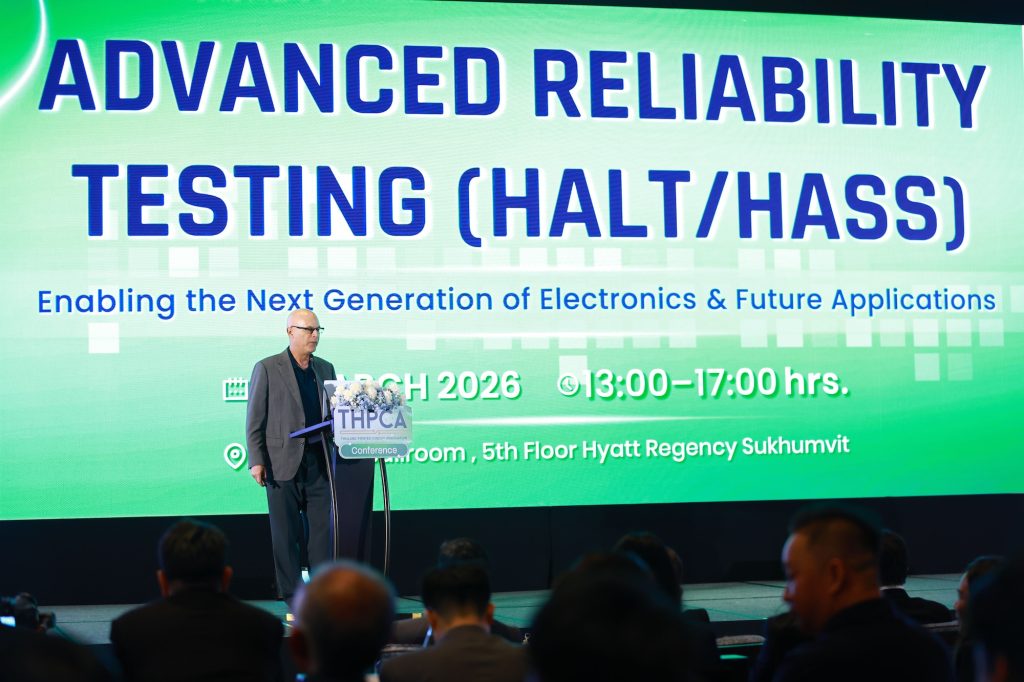
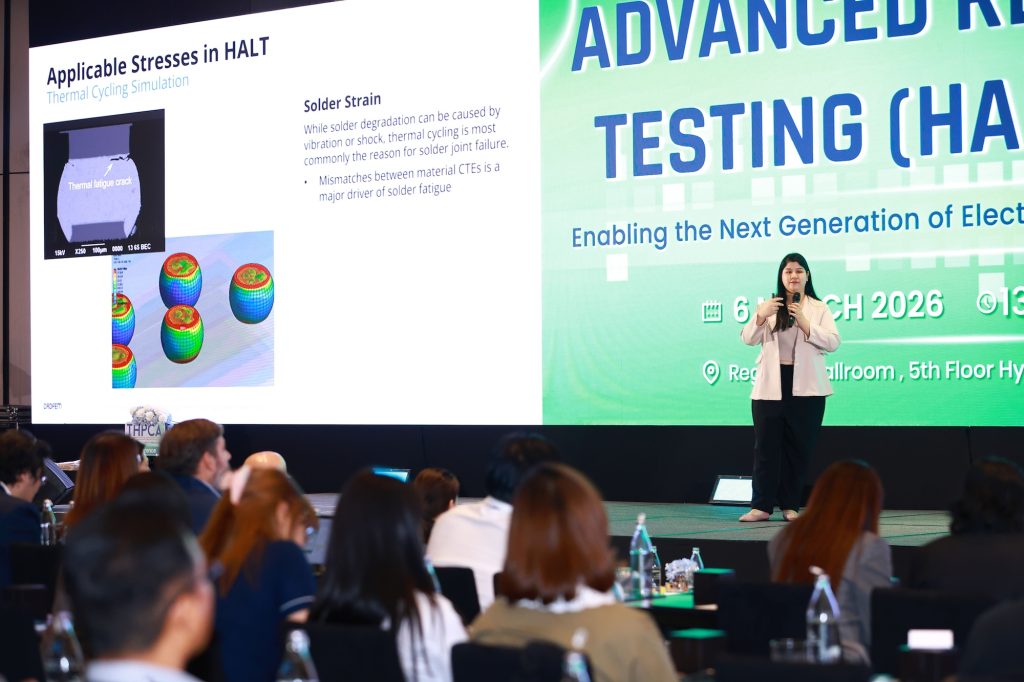
From a design perspective, Ms. Jadsupa Porananont, Technical Director at CADFEM (Thailand), explained that engineering simulation is becoming a critical tool for developing next-generation electronic products.
Traditionally, hardware development required multiple rounds of physical prototypes to test durability, which was both time-consuming and costly. Today, simulation technologies allow engineers to model complex multi-physics phenomena such as thermal effects, vibration, and mechanical stress during the design phase. This enables designers to identify potential weaknesses early in the development process, reducing risk and shortening time-to-market.
In the manufacturing domain, Ms. Saranya Yardsamer, Sr. Manager of Global Quality and Reliability, and Mr. Nattawut Ruamsuk, Lead Reliability Test Engineer at Celestica (Thailand), highlighted that the major challenge in the AI era is not only improving performance but ensuring systems can operate continuously without failure.
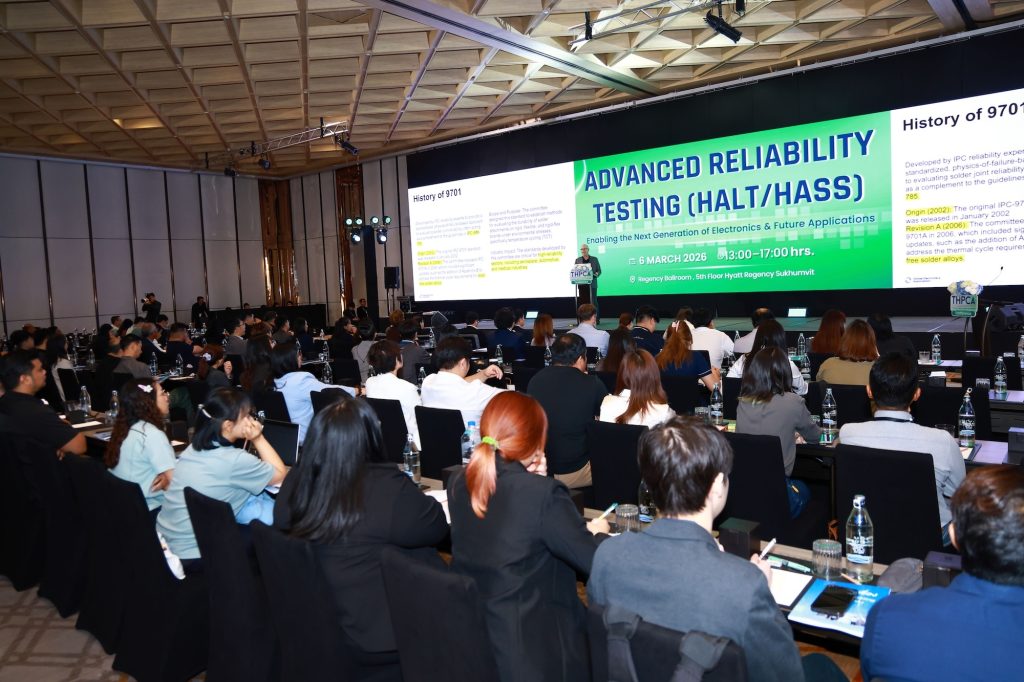
One key methodology is HALT (Highly Accelerated Life Test), which subjects products to extreme stress conditions beyond normal operating environments in order to identify design weaknesses before products enter the market.
Meanwhile, Ms. Laya Chen, General Manager of Reliability Assessment Solutions, addressed a growing challenge in PCB manufacturing known as “hidden failure.” Some boards may pass standard functional tests yet fail unpredictably during real-world operation, especially in mission-critical environments such as AI data centers.
To address this issue, the industry has introduced HATS² (Highly Accelerated Thermal Shock) technology, which significantly accelerates PCB reliability testing. This approach allows manufacturers to collect statistically meaningful reliability data within approximately one week, rather than several months using conventional testing methods.
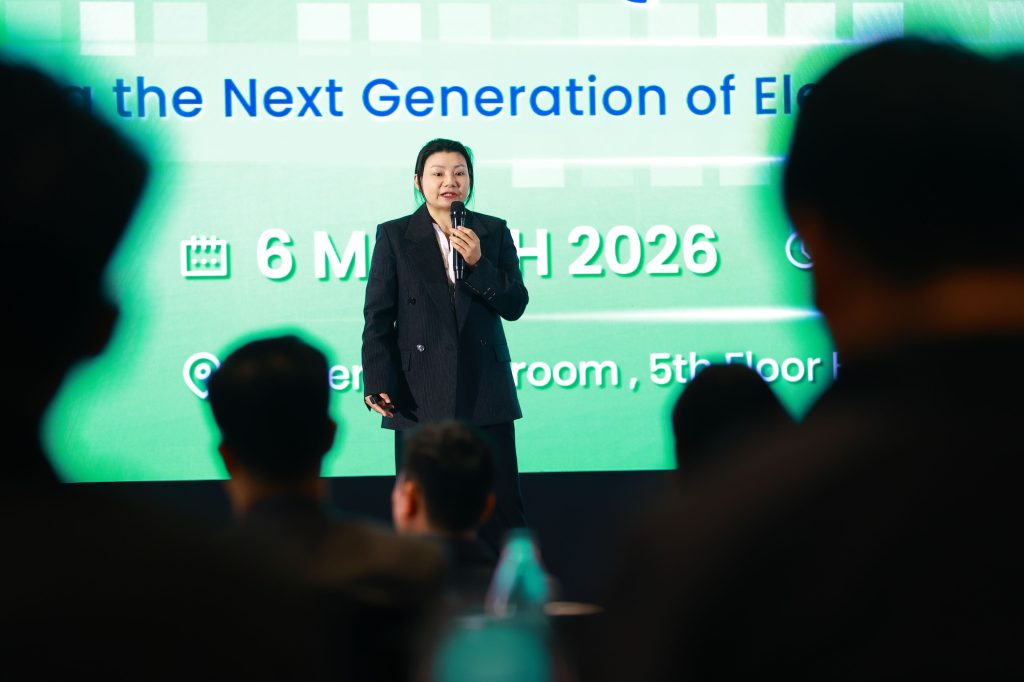
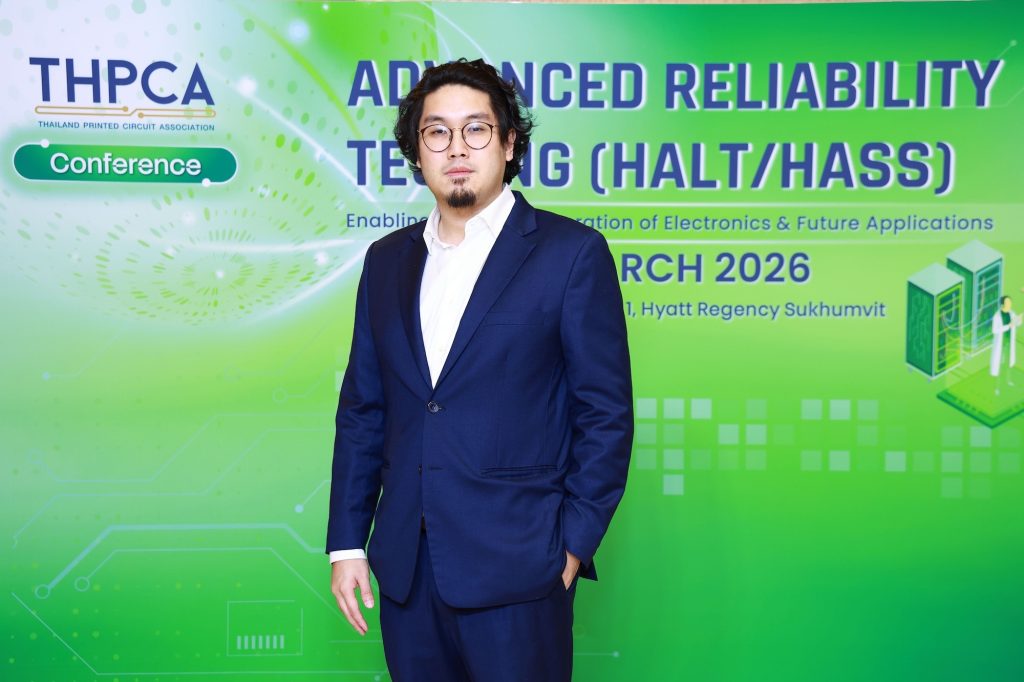
Mr. Pimsen Ratprasatpon, Principle Supplier Process Engineer at Dell Technologies, noted that many reliability testing standards were developed over 20 years ago, when computing workloads were far lower than today. In the AI era, chips and electronic systems operate under much heavier loads while device sizes continue to shrink, making thermal management one of the key challenges for modern AI hardware.
Dr. Wutthinan Jeamsaksiri, Senior Researcher at the Thai Microelectronics Center (TMEC), added that reliability engineering is becoming a critical foundation of modern technologies such as electric vehicles, robotics, and AI infrastructure, where even minor electronic failures can cause significant system disruptions.
From a strategic perspective, Dr. Aroonchat Chatchaikarn, CEO of Percevals, said Thailand must decide whether to remain a manufacturing base or move toward becoming a technology creator, emphasizing that intellectual property and technological expertise are the real drivers of value in the technology industry.
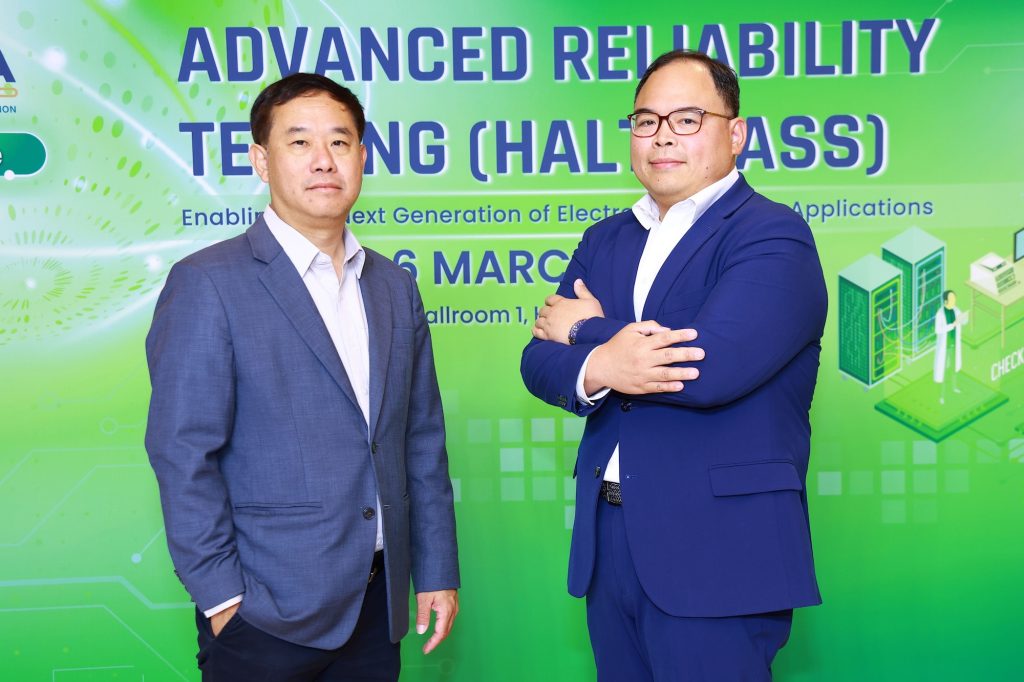
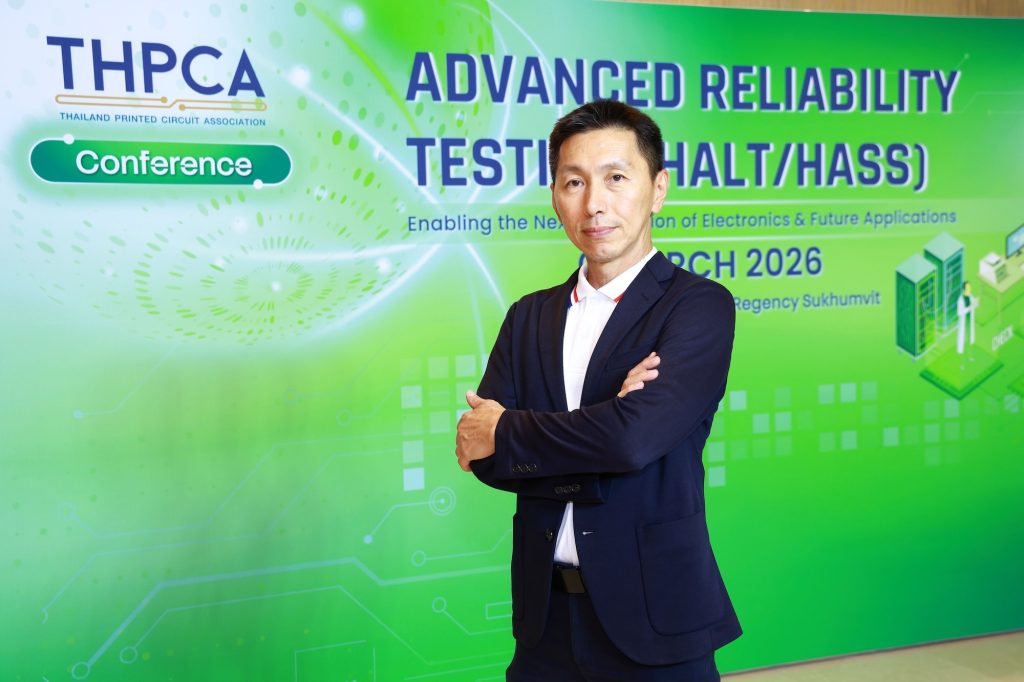
Meanwhile, Mr. Parinwatt Parnsingh, Division Manager at Mitsubishi Electric Factory Automation (Thailand), highlighted that effective AI adoption in manufacturing requires a strong data foundation. Smart factories must first build robust data architecture connecting machines, sensors, and production systems before AI can deliver meaningful results.
Experts at the conference agreed that knowledge-sharing platforms such as this conference, along with regional industry events like Thailand Electronics Circuit Asia (THECA), play a crucial role in connecting industry leaders, researchers, and investors.
THECA will take place 26–28 August 2026 at BITEC Bangkok, serving as a key platform for the PCB and electronics supply chain industries across Asia.
As AI, electric vehicles, and intelligent systems rapidly reshape the global economy, the ability to develop high-reliability electronic systems will become a decisive factor in determining competitiveness within the digital economy. For Thailand, advancing expertise in reliability engineering may be a critical step toward evolving from a manufacturing base into a regional technology hub.
For those interested, the conference presentation summaries can be downloaded at:
https://drive.google.com/drive/folders/1FQxHg5Yx6mU9hCsD0aGKz7_J3h1LGstP